LunchLink workplace catering guide
Boxed lunches vs. buffet catering for the office
The best serving format is the one that fits the agenda, room, team, dietary workflow, and cleanup plan. A visually impressive buffet can be wrong for a tightly scheduled workshop, while boxed meals can feel unnecessarily rigid at a social event.

At a glance
Key takeaways
- Choose for the room and agenda
- Consider distribution and dietary labels
- Plan setup and cleanup
- Compare packaging with service requirements
When individually packed meals work
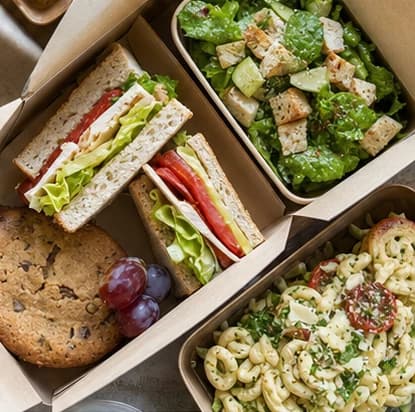
Individual meals suit meetings with fixed seats, staggered breaks, named selections, or limited serving space. They can simplify distribution and dietary labelling when the selected menu supports it.
They also create more packaging and require an accurate selection workflow.
When shared or buffet service works
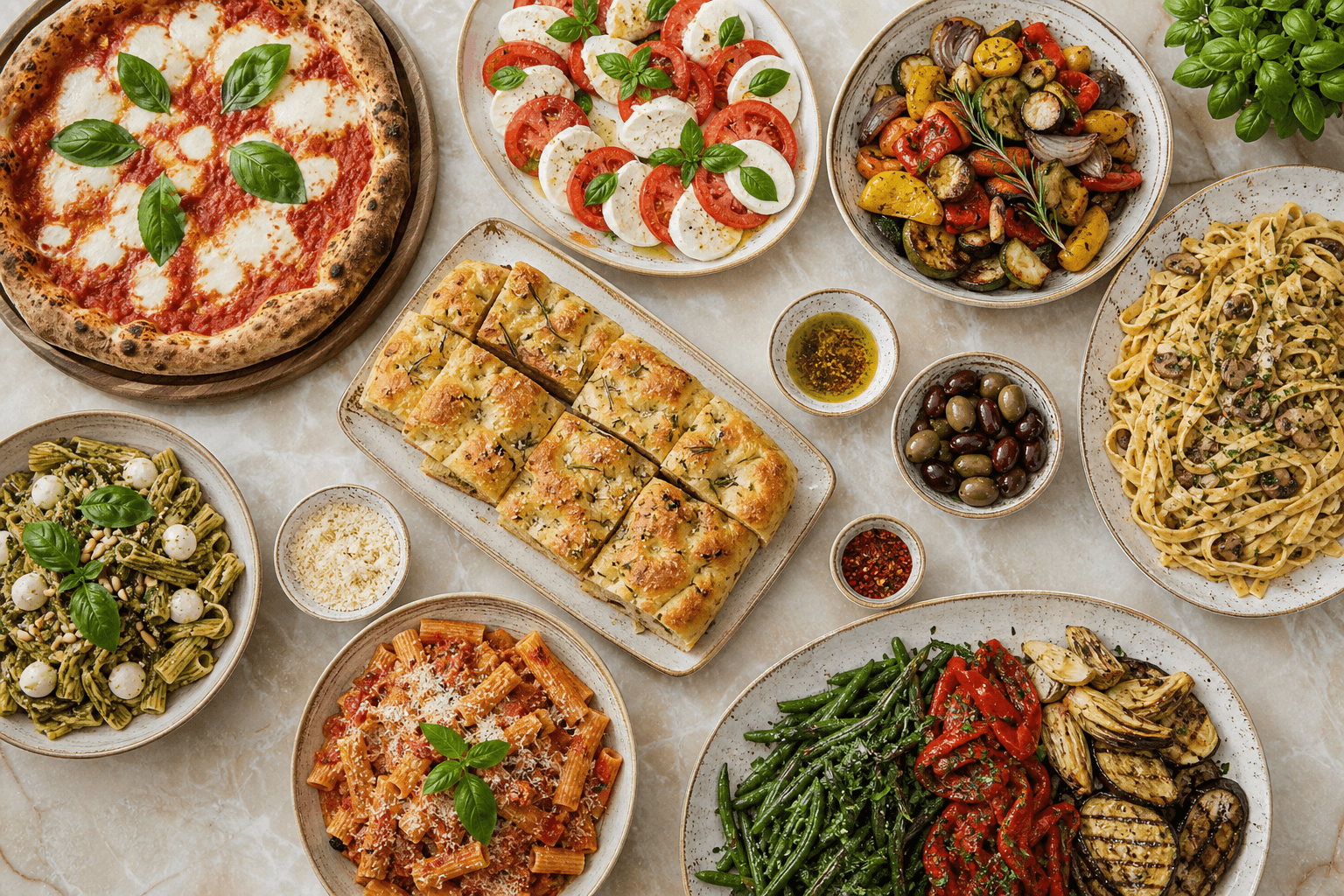
Platters and buffets support variety and social interaction. They require suitable tables, serving utensils, setup time, portion planning, traffic flow, and a strategy for dietary items.
Hot food may require holding equipment or a narrower service window.
A practical selection framework
Use the agenda first: how long can guests leave their seats, how many people will serve at once, and who owns setup and cleanup? Then compare menu fit, dietary handling, waste, packaging, and total quote scope.
- Tight agenda: consider individual meals
- Informal team gathering: consider platters or family-style
- Large group with suitable space: assess buffet logistics
- Mixed schedules: consider labelled grab-and-go meals